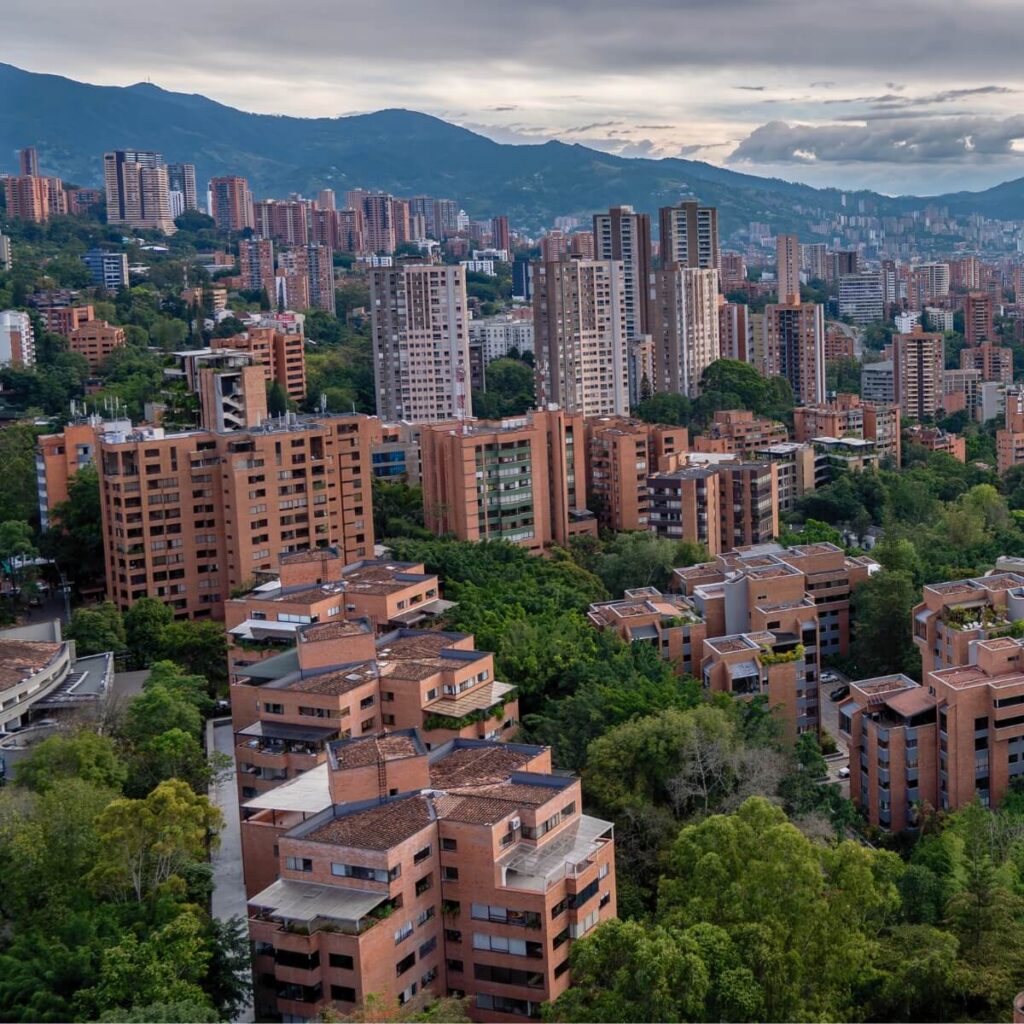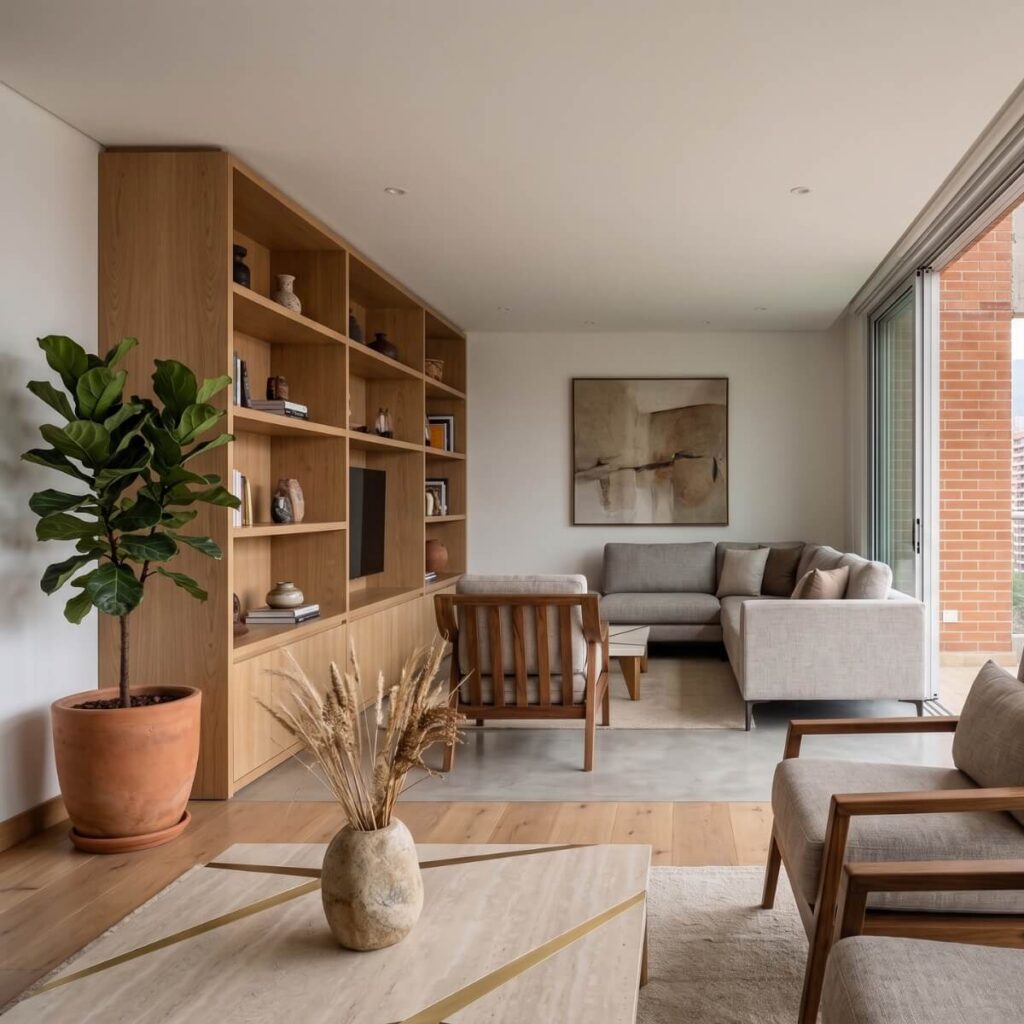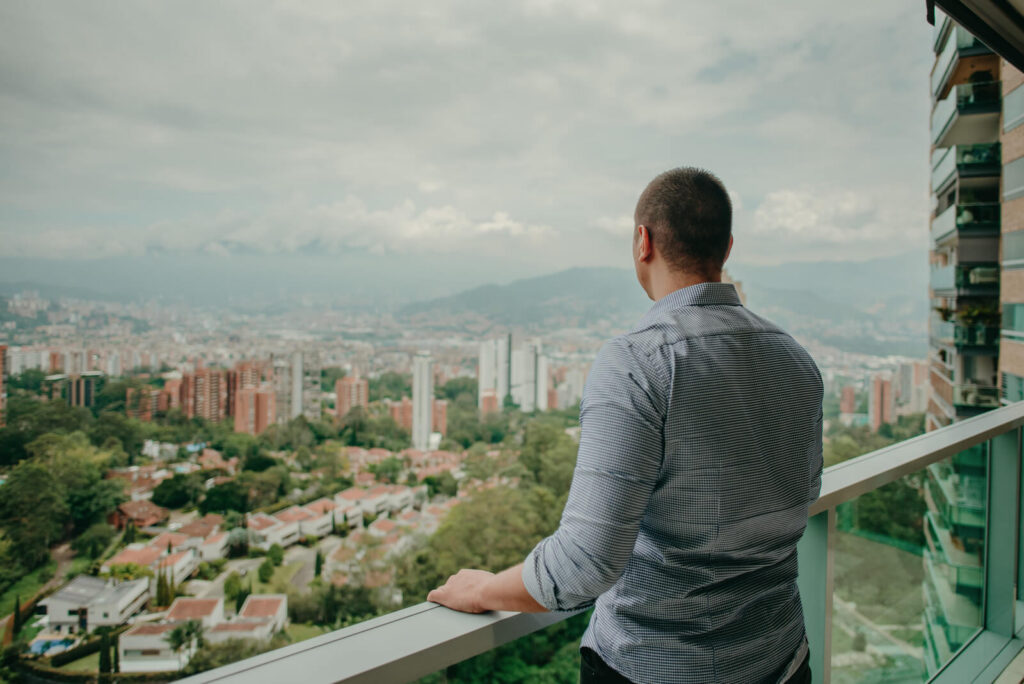
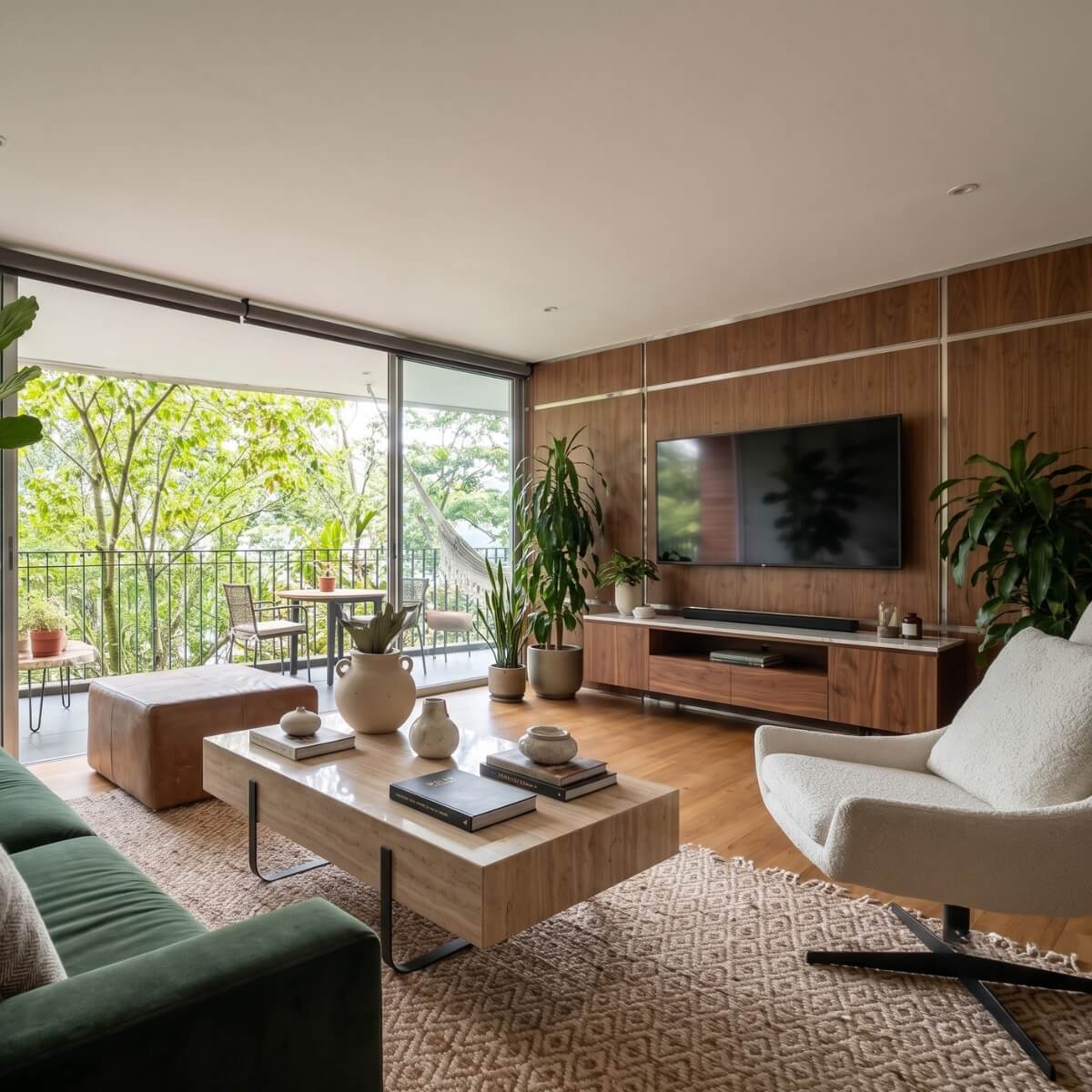
Most people who’ve researched Medellín online think they already know El Poblado. They’ve seen Provenza’s cafés, Parque Lleras at night, maybe a few Instagram reels shot on a rooftop terrace. What they usually don’t know is that Provenza is one small piece of a much larger, much more varied neighborhood — and that understanding the difference matters if you’re actually planning to buy here.
A Brief History of How El Poblado Became El Poblado
El Poblado’s story starts far earlier than its current reputation suggests. A Spanish settlement was founded here in 1616 — the first European settlement in what would eventually become Medellín. Within decades, the city center moved north, and El Poblado spent the next two centuries as a quiet, forgotten corner of the valley: farmland, rural estates, nothing resembling the district you’d recognize today.
That changed in the 1950s. As downtown Medellín grew congested and, later, dangerous during the decades of narco-violence, wealthy families started moving south, converting former coffee estates and rural fincas into residential developments. Many of El Poblado’s most recognizable neighborhoods — Provenza, Manila, Patio Bonito — are literally named after the estates that once stood there. By the 1970s, the area had earned its nickname: Las Manzanas de Oro, the Golden Apples, cementing itself as the city’s wealthiest and most exclusive district.
Why It’s Booming Right Now
What’s happening in El Poblado today is really a second wave, driven by an entirely different force: remote work. The rise of digital nomads and international lifestyle buyers has pushed demand — and prices — up significantly over the past few years, with some of El Poblado’s prime micro-zones seeing double-digit annual appreciation. Add in genuine land scarcity (there’s only so much hillside left to build on) and Medellín’s growing reputation as a global lifestyle destination, and you have a neighborhood that keeps attracting capital faster than it can add supply.
Worth being honest about, because it’s part of the picture: that same demand has made parts of El Poblado feel expensive relative to the rest of the city, and short-term rental conversion has changed the character of some blocks. It doesn’t make El Poblado a bad investment — it makes it important to know exactly which sub-zone you’re buying into, and why.
Looking ahead, the fundamentals that built this boom aren’t going anywhere — international demand, limited buildable land, and Medellín’s position as Latin America’s leading lifestyle-and-remote-work hub. Infrastructure investment, including upcoming metro expansions across the city, should keep reinforcing values in well-connected pockets over the next several years.
El Poblado Is Not Just Provenza
This is the part most content about El Poblado skips entirely — because Provenza photographs well and the rest doesn’t get the same attention. In reality, El Poblado is made up of over twenty distinct barrios, each with its own character:
Provenza & Manila — the district’s social core. Walkable, dense with restaurants and coworking spaces, popular with digital nomads and short-term visitors. Lively, but not necessarily the quietest place to actually live.
Patio Bonito — right next to Provenza but noticeably calmer, with a more residential feel while still walking distance to everything.
Astorga — quiet, established, tree-lined streets. A favorite for buyers who want proximity to the action without living in the middle of it.
Los Balsos & Las Lomas — higher up the hillside, more spacious properties, more privacy, and some of the best views in the city. This is where a lot of long-term family buyers end up.
El Tesoro / Santa María de los Ángeles — residential, upscale, anchored by shopping and everyday convenience rather than nightlife.
Ciudad del Río — the exception to El Poblado’s hillside geography, flat and more modern in its architecture, with a different, more urban feel than the rest of the district.
Each of these serves a different kind of buyer — the investor chasing short-term rental yield, the family looking for a quiet long-term home, the retiree who wants walkability without noise. None of that distinction shows up if all you’ve seen is Provenza on a map.
Where This Leaves You
El Poblado earned its reputation honestly, but treating it as one homogeneous neighborhood is exactly the kind of mistake that leads buyers to the wrong property for their actual goals. The right sub-zone depends entirely on what you’re buying for — and that’s a conversation worth having before you fall in love with a listing based on a few nice photos.
The Medellín Buyer Guide breaks down El Poblado’s sub-zones in more depth, alongside the rest of the neighborhoods worth knowing before you buy. → Download the Buyer Guide